


RFID Tag
Your Leading RFID Tag Supplier: Global Expertise & Innovation
Premium Quality Assurance & Compliance
ISO 9001/14001 certified production ensures 100% functional testing with Tagformance systems, achieving 99.9% read accuracy. Materials like medical-grade PET and anti-corrosion metals withstand -40℃ to +130℃ environments. Rigorous 7-stage testing includes ESD checks and IP68/IP69K waterproof validation. Designed for high-security applications with FIPS 140-2 Level 3 encryption. Compliant with RoHS/REACH and Walmart/Amazon global standards.
24/7 Technical Support & Rapid Prototyping
Dedicated multilingual team provides real-time troubleshooting via Zoom/Teams, averaging <15-minute response time. Emergency orders utilize 3D-printed prototypes for 7-day delivery, enabling client-side testing and iterative optimization. Seamless integration with Impinj/Monza R6 chips ensures compatibility with major reader brands. Firmware updates and protocol adaptations (EPC Gen2v2) are prioritized for tech-driven clients.
Customized ODM/OEM Solutions
Flexible design options include PANTONE color matching, circular/rectangular shapes, and surface finishes (matte/UV coating). Supports anti-metal tags with ceramic substrates for 12m UHF read range. Custom protocols (ISO 18000-6C, EPC Gen2) and encryption methods (AES-128) ensure data security. Medical-grade PVC and washable fabrics meet healthcare/disposable requirements.
Global Logistics & Scalable Production
Multi-modal shipping (air/sea/express) covers 50+ countries, with DHL/FEDEX partnerships ensuring 3–7-day lead times. Smart warehouse systems enable 500,000+ units/month capacity, with MOQs starting at 5,000 pieces. Bulk discounts (10% off for 100K+ units) and blockchain-tracked logistics optimize cost and transparency. On-site installation and operator training ensure seamless deployment.






RFID Tag: Definition & Key Characteristics
An RFID tag is an electronic device that stores and transmits data via radio waves, serving as the core data carrier in the Internet of Things (IoT) for automatic object identification and tracking. Key features include contactless communication, environmental resilience (waterproof, high-temperature resistance), and bulk identification capabilities..
Chip: Stores a unique electronic code and user data, supporting encryption (e.g., AES-128).
Antenna: Receives/transmits RF signals, optimized for read range (e.g., UHF tag antennas).
Enclosure: Made of silicone, PET, or metals for industrial/medical applications.
By Power Source:
Passive: Relies on external energy, low cost, long lifespan.
Active: Built-in battery, supports long-range and harsh environments.
By Frequency:
Low Frequency (LF, 125–134 kHz)
Ultra-High Frequency (UHF, 860–960 MHz)

RFID Tag Types: Comprehensive Solutions for Diverse Applications
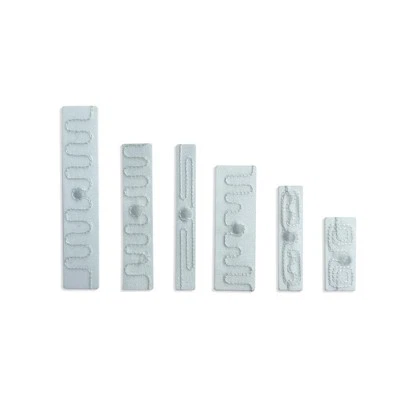
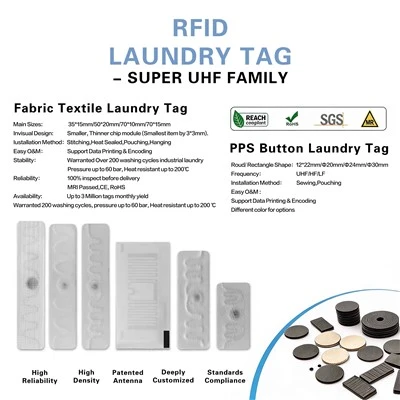
1. RFID Laundry Tags
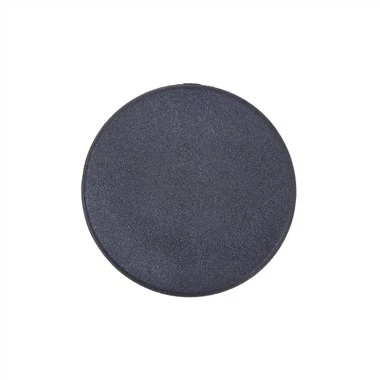
Core Features: Designed for harsh laundry environments, these tags use PPS or ceramic materials to withstand 200+ wash cycles, high temperatures (-20°C to +80°C), and chemical exposure. Available in waterproof and IP68-rated versions.
Applications: Hospital linens, hotel uniforms, gym apparel, and industrial workwear. Seamlessly integrated via sewing or heat sealing.
Advantages: Tamper-resistant, bulk-readable, and compatible with NFC for smart laundry management.
2. RFID Metal Tags
Core Features: Built with ceramic substrates or electromagnetic absorption coatings to eliminate metal interference. Achieve 6-meter read range (UHF), IP67 waterproofing, and -40°C to +130°C durability.
Applications: IT equipment tracking, automotive parts, construction machinery, and outdoor assets.
Advantages: Impact-resistant, suitable for high-vibration environments like factories and warehouses.
3. RFID Industrial Tags
Core Features: Military-grade design for extreme conditions (-40°C to +230°C), vibration-proof, and oil-resistant. Supports dynamic encryption and ISO 18000-6C protocols.
Applications: Power grid inspections, oil pipeline monitoring, and heavy machinery maintenance.
Advantages: 100,000+ write cycles, ensuring long-term reliability in harsh settings.
4. RFID Ceramic Tags
Core Features: Fully ceramic-encapsulated for 300°C heat resistance and chemical corrosion protection. Compact size (15×3.5mm), UHF-compatible with 5-meter read range.
Applications: Medical sterilization tracking, lab equipment, and aerospace components.
Advantages: Biocompatible, ideal for cleanrooms and high-purity environments.
5. RFID Embeddable Tags
Core Features: Ultra-thin (<1mm) design embeddable in plastics or wood. IP68-rated, NFC-enabled, and supports 13.56MHz/HF frequencies.
Applications: Luxury goods anti-counterfeiting, furniture traceability, and wine bottle authentication.
Advantages: Hidden tracking, anti-theft alerts, and tamper-proof sealing.
6. RFID Printable on Metal Tags
Core Features: Flexible PET/aluminum labels compatible with Zebra/Sato printers. Readable on metal surfaces (6-meter UHF range), IP67-rated.
Applications: Metal shelving inventory, automotive parts, and construction materials.
Advantages: No special installation tools, supports dynamic inventory updates.
7. High-Temperature RFID Tags
Core Features: Withstand 300°C continuous exposure (5 minutes) and thermal shock. Ceramic/Teflon materials ensure stability in extreme heat.
Applications: Steel furnace tracking, automotive paint shops, and medical autoclave processes.
Advantages: Data integrity under thermal stress, RoHS/REACH compliant.
RFID Tag Applications: Cross-Industry Smart Solutions
RFID (Radio Frequency Identification) technology has deeply penetrated global industrial chains through non-contact data interaction. Below is a comprehensive analysis of its applications across core and emerging domains.
1. Smart Logistics & Supply Chain Management
Warehouse Automation: RFID tags enable bulk scanning (hundreds per second), boosting Amazon’s warehouse efficiency by 20x and achieving 99.5% inventory accuracy.
Transport Tracking: Containers embedded with anti-metal tags combined with GPS provide real-time global logistics visibility. DHL’s pilot project reduced cargo loss by 40%.
Smart Sorting: UHF tags support high-speed sorting lines (300 items/minute), cutting Shunfeng’s sorting error rate from 5% to 0.3%.
2. Retail & Consumer Experience Innovation
Cashierless Stores: Amazon Go uses RFID + AI cameras for "grab-and-go" shopping, increasing daily foot traffic by 30% and cutting labor costs by 40%.
Anti-Counterfeiting: Luxury wines with NFC tags allow consumers to verify authenticity and trace brewing processes, reducing Maotai’s counterfeit complaints by 70%.
Fast Checkout: ZARA’s RFID-enabled hangers reduce self-checkout time to 30 seconds/item, lowering return rates by 25%.
3. Healthcare & Biometric Management
Equipment Tracking: Shanghai Ruijin Hospital embedded RFID tags in 2,800 high-value devices, improving location accuracy to 10cm and saving ¥3.6M annually in operational costs.
Drug Compliance: Vaccine vials use high-temperature-resistant tags (300°C/5min) to ensure cold-chain integrity, achieving 100% traceability under WHO certification.
Patient Monitoring: NFC-enabled wristbands sync ICU patients’ data to nurses’ stations in real time, reducing misdiagnosis rates by 18%.
4. Industrial Manufacturing & Maintenance
Production Line Optimization: Automotive factories use anti-metal tags to track parts, reducing downtime by 35% and improving quality inspection efficiency by 50%.
Equipment Inspection: Oil pipeline sensors with corrosion-resistant tags (IP68) enable remote vibration/temperature monitoring, achieving 92% fault prediction accuracy.
Tool Management: Aviation maintenance uses RFID tool cabinets, cutting tool loss rates from 12% to <1% and shortening maintenance cycles by 40%.
5. Smart Cities & Public Services
Traffic Management: ETC systems integrate active RFID for 200km/h vehicle passage, reducing toll booth congestion by 80%.
Asset Management: Municipal facilities with passive tags reduce streetlight outage resolution time from 6 hours to 10 minutes, cutting maintenance costs by 30%.
Event Services: Wuxi Marathon used passive RFID for 30-second rapid baggage storage, achieving 98% attendee satisfaction.
6. Agriculture & Food Traceability
Livestock Tracking: Inner Mongolia ranches implant ceramic tags in cattle, slashing epidemic tracing time from 72 hours to 2 hours and boosting farming efficiency by 25%.
Cold Chain Monitoring: Salmon packaging uses temperature-sensitive tags for 15-minute data uploads, reducing logistics waste from 15% to 5%.
Tea Authentication: Pu’er cakes with NFC tags display altitude/harvest date data, increasing resale premiums by 40%.
7. Emerging Scenarios & Tech Innovations
Microwave-Resistant Tags: Food packaging uses eWave tags to withstand 100°C washes, enabling microwave-ready scans.
Anti-Theft Garments: Luxury clothing embeds encrypted chips in washable labels, surviving 50+ cycles while deterring 90% counterfeiting.
Eco-Recycling: Supermarket bags with RFID scanners calculate deposit refunds automatically, saving stores ¥120K/year in plastic costs.

RFID Tag Packaging Solution
RFID (Radio Frequency Identification) technology has revolutionized logistics and supply chain management through non-contact data interaction. Below is a comprehensive analysis of its applications in packaging, focusing on technical considerations and industry best practices.
1. Core Parameters for Tag Selection
a. Frequency Selection
UHF (860-960MHz): Preferred for bulk scanning (up to 10m read range), ideal for logistics and warehouse management.
HF (13.56MHz): Suitable for close-range encrypted interactions (e.g., pharmaceutical traceability), supporting NFC reading.
LF (125-134kHz): Resistant to harsh environments, ideal for cold chains or industrial packaging.
b. Encapsulation Materials
Anti-Metal Tags: Ceramic substrates or electromagnetic absorption coatings to eliminate metal interference.
High-Temperature Tags: Teflon or ceramic encapsulation for continuous 300°C exposure (e.g., food sterilization).
Flexible Tags: PET/paper substrates for curved surfaces (e.g., bottles, irregularly shaped products).
c. Chip Functionality
Read-Only Tags: Pre-encoded EPC for lowest cost ($0.02–0.05/unit), suitable for single-item tracking.
Read-Write Tags: Support dynamic data updates (e.g., inventory status changes), ideal for reusable packaging.
2. Installation Techniques & Design Optimization
a. Mounting Methods
| Method | Applications | Advantages |
|---|---|---|
| Adhesive | Paper/plastic packaging | Low cost, rapid deployment |
| Screws/Plugs | Metal pallets/reusable bins | Vibration-resistant, long-term stability |
| Embedded | Luxury goods anti-counterfeiting | Tamper-proof, covert tracking |
b. Environmental Adaptation
Waterproofing: IP68-rated seals for medical reagent packaging.
Impact Resistance: 3M VHB tape reinforcement for drop resistance (-40°C to +85°C).
Chemical Resistance: Parylene coating for solvent corrosion protection (e.g., chemical drums).

Frequently Asked Questions
RFID Tag FAQ
What is an RFID Tag?
+
-
An RFID tag is an electronic device that uses radio waves for contactless identification, consisting of a microchip and antenna to store and transmit data.
How does an RFID Tag work?
+
-
When entering the reader's RF field, the tag's antenna captures energy to power the chip, which then transmits stored data back to the reader.
What are the types of RFID Tags?
+
-
Passive: No internal power, activated by reader, low cost.
Active: Battery-powered, long read range (up to 100m).
Semi-passive: Combines battery for chip operation and reader energy for communicatio
Where are RFID Tags commonly used?
+
-
Logistics tracking, retail inventory, healthcare equipment management, access control, automotive parts.
Advantages and Disadvantages of RFID Tags?
+
-
Pros: Contactless, bulk reading, durability, reusability.
Cons: Higher cost (active), metal/liquid interference, privacy concerns.